
How Much Does a Kitchen Renovation Cost in South London in 2026? A Homeowner's Guide
Planning a new kitchen? Realistic 2026 price ranges for South London kitchen renovations — from a straightforward refresh to a full bespoke refit — plus the costs most quotes leave out and how to compare fitters properly.
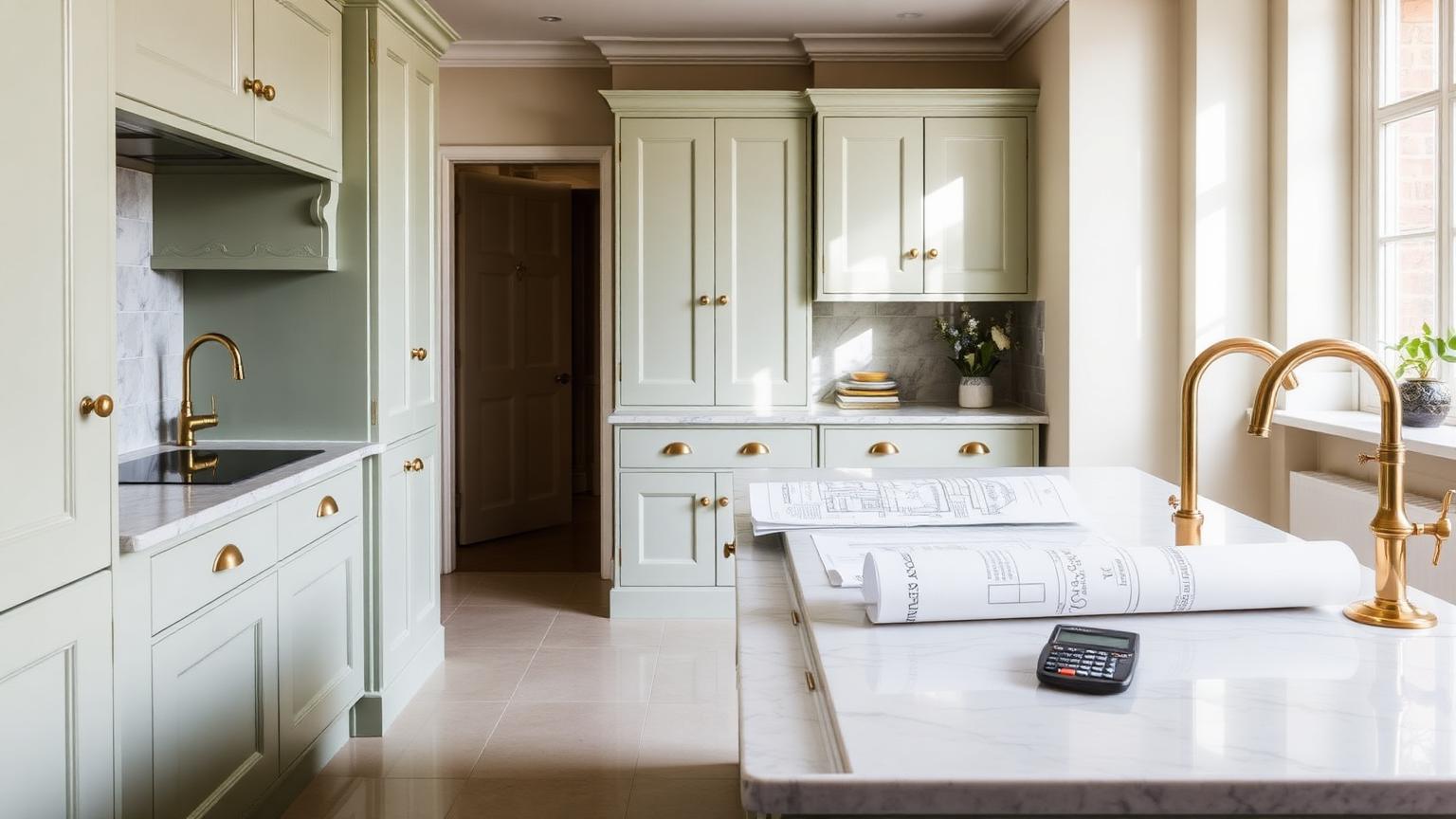
If you're planning a kitchen renovation in South London, the first number you'll hear is usually the wrong one. Quotes for what sounds like the same job can range from £8,000 to £45,000 — and the difference isn't always quality. It's what's included, what's assumed, and what's been left out entirely.
This guide sets out realistic 2026 price ranges for kitchen renovations across South London, what drives the cost up or down, and how to compare quotes from fitters without getting caught out.
A note on the numbers: the ranges below are indicative budgeting guides drawn from published 2026 UK cost data — Checkatrade's kitchen renovation cost guide, the HomeOwners Alliance, and regional quote indices that track London against the rest of the UK — cross-checked against what we see in the South London market. They are not quotes. Every property is different, and the only figure that matters is an itemised quote for your kitchen.
The headline numbers for 2026
Two things are worth knowing before you look at any range. First, kitchen costs are around 22% higher than they were in 2019 (Which?, using RICS BCIS data), though that rise has now slowed. Second, London carries a premium of roughly 20–38% over the cheapest UK regions on the same job spec, driven mainly by labour rates, parking and access.
For a typical South London kitchen — think a Victorian or Edwardian terrace in Clapham, Dulwich, Brixton or Wandsworth — here's what homeowners should realistically budget this year:
- Refresh (new doors, worktops, handles, redecorating, keeping the existing carcasses and layout): £5,000–£12,000 in London. Nationally this tier starts lower, around £3,000–£8,000.
- Mid-range refit (new units, worktops, appliances, some plumbing and electrical changes, same basic layout): £14,000–£25,000. The commonly quoted UK mid-range figure is £10,000–£20,000 (HomeOwners Alliance, 2026); London sits at the top of that band and above.
- Full renovation (new layout, premium units, structural tweaks, flooring, new circuits, plastering and decoration): £25,000–£45,000.
- High-end or bespoke (handmade cabinetry, natural stone worktops, premium appliances, significant structural work such as removing a wall to create a kitchen-diner): £45,000–£80,000+. Checkatrade puts bespoke renovations at £15,000–£50,000 nationally, with an average around £35,000 — in London, expect the upper half of that and beyond.
For reference, Checkatrade's 2026 guide puts the fitting labour alone at £3,700–£9,300 (average around £5,200), with kitchen fitters charging £250–£350 a day. Supply-only units run £1,500–£10,000 depending on range.
These figures include labour and materials but assume no major surprises — which, in older South London housing stock, is an assumption worth questioning. More on that below.
What actually drives the price
Two kitchens of identical size can vary by £15,000 or more. The main drivers:
- Cabinetry: flat-pack carcasses with standard doors start around £2,000–£4,000 for a full kitchen; rigid-built mid-range units run £6,000–£12,000; bespoke handmade cabinetry starts at £15,000 and climbs quickly.
- Worktops: laminate from £30–£60 per linear metre; quartz £250–£400; granite and marble £350–£600+; ultra-compact surfaces like Dekton sit at the top end.
- Layout changes: keeping the sink, hob and electrics where they are can save £2,000–£5,000 in plumbing and electrical work alone.
- Appliances: a full set of mid-range integrated appliances runs £2,500–£5,000; premium brands double or triple that.
- Structural work: removing a wall between kitchen and dining room — extremely common in South London terraces — adds £2,000–£6,000 including steel beam, building regs sign-off and making good.
The costs most quotes leave out
This is where budgets blow up. When comparing quotes, check explicitly whether each one includes:
- Waste removal (a kitchen rip-out generates 1–2 skips: £300–£600)
- Plastering and making good after the rip-out
- Electrical certification and any consumer unit upgrades — older properties often need £800–£1,500 of electrical work to meet current regs
- Flooring, if not supplied and fitted by the kitchen company
- Decoration after fitting
- Building regulations fees if any structural work is involved
- A contingency for what the fitter finds when the old kitchen comes out — in Victorian and Edwardian properties, allow 10–15%
A quote that looks £4,000 cheaper but excludes plastering, electrics and waste removal is almost always the more expensive job by the end.
How long should it take?
A like-for-like refit typically takes 1–2 weeks once units arrive. A full renovation with layout changes runs 3–5 weeks. Add 4–8 weeks at the front for design, ordering and lead times — bespoke cabinetry can be 8–12 weeks alone. Any fitter who can start a full renovation tomorrow is a fitter whose diary is empty, which is its own question.
How to compare fitters properly
Three quotes is standard advice, but it only works if you're comparing like with like. Give each fitter the same written brief, ask each to itemise labour and materials separately, and get exclusions in writing. Then check the things that actually predict a good job: recent Google reviews (not just the count — read how they respond to problems), photos of completed kitchens similar to yours, and whether they're happy to put you in touch with a recent customer.
The cheapest quote rarely produces the cheapest kitchen. The fitter who itemises everything, flags the likely surprises in an older property upfront, and has the reviews to back it up is usually where the value is — even at a higher day rate.
Is it worth it?
In South London's property market, a well-executed kitchen renovation typically adds more to a home's value than it costs — estate agents consistently rank kitchens among the top two rooms buyers judge. But beyond the spreadsheet, it's the room you'll use most. Budget carefully, compare properly, and allow that 10–15% contingency. The homeowners who do are the ones writing the five-star reviews at the end.
Are you a kitchen fitter who wants more of these enquiries?
Homeowners reading guides like this are exactly who we put our clients in front of. Book a free 20-minute audit and we'll show you where your next kitchen enquiries are coming from.