
Trade work in Brixton: social housing, private lets and a busy town centre
Four in ten Brixton homes are socially rented, a higher share than in any borough in our research. That makes housing associations and the council some of the biggest customers here for electricians, plumbers, builders and every other trade.
Social housing at scale
Of the 23,724 households in Lambeth's four Brixton wards (Brixton Acre Lane, Brixton North, Brixton Rush Common and Brixton Windrush), 41.6% rent socially, about 9,900 homes. Councils and housing associations must now have their homes' electrics inspected every five years, just like private landlords, so there is a steady flow of EICRs and follow-on repairs. To win that work you need pages housing providers can find, and we can build them.
Private lets and owners
28.9% of households rent privately and 26.8% are owner occupied. Each private let needs a yearly gas safety record and an electrical report at least once every five years. Lambeth's 2024 Article 4 direction also means planning permission is needed before any house in the borough becomes a small HMO.
What Brixton searches for
In Brixton, people search Google for plumbers and electricians in equal measure, each in the 100 to 1,000 a month range. Roofers, builders, loft conversions and heating engineers draw fewer searches, between 10 and 100. Ask us for a free audit to find out whether you appear for any of them.
Heating with fewer gas boilers
Only 66.9% of homes rely on mains gas alone, the lowest share in our research. 11.5% heat with electricity only and 5.6% are on district or communal heat networks, so shared systems are a real part of the work.
The town centre and its rules
Lambeth's Brixton conservation area covers the 19th-century town centre, including Brixton Town Hall, the Tate Library, the Ritzy and the covered markets. Brixton Road, Brixton Water Lane, and Rush Common and Brixton Hill are conservation areas too, so check before changing anything visible. Experience on these streets is worth showing, and we can turn it into project pages.
Ground conditions
Much of Brixton sits on a layer of old river gravel and head deposits, usually between 2 and 8 metres deep, with London Clay beneath, according to Lambeth's study of residential basements. The older Lambeth Group strata reach the surface in only one small part of the borough, at Brockwell Park. That clay swells in wet winters and shrinks in dry summers, and the movement can cause settlement. Customers trust a trade who knows the local ground, and we can make your experience of it easy to see online.
Where the work is
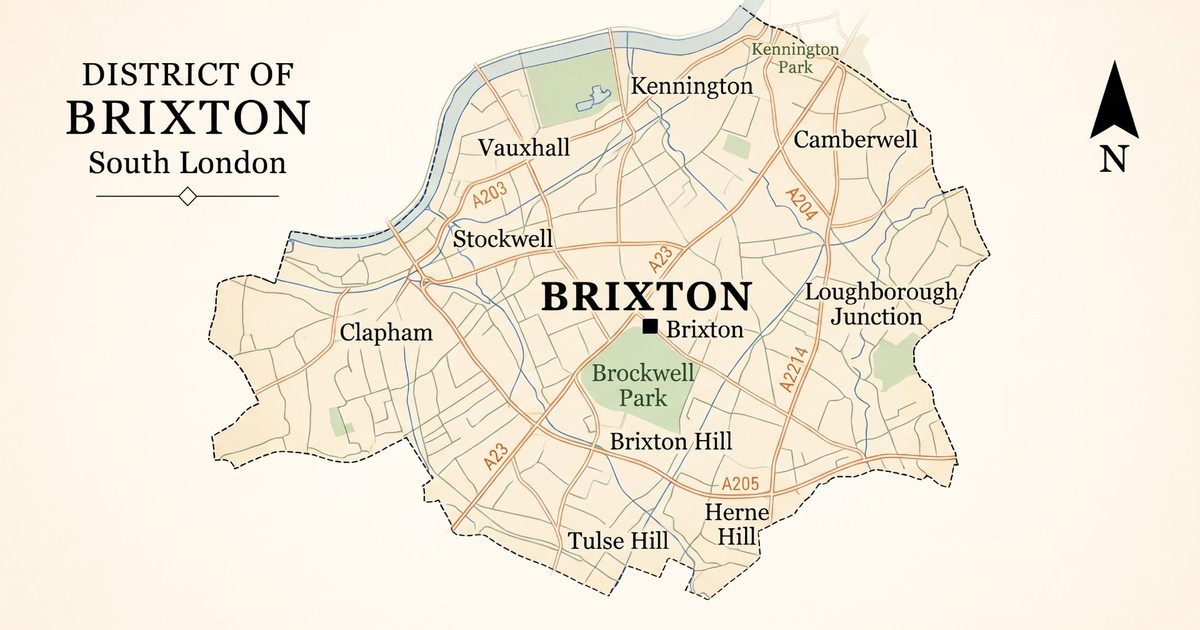
SW9 (Brixton, Stockwell) and SW2 (Brixton Hill, Tulse Hill).
Getting found here
Brixton work is split between housing providers, private landlords and homeowners, and each wants different proof: approvals and turnaround times for some, reviews and photos for others. We can build and run all of it for you, from website pages to your Google profile and local ads. A free audit shows how you look to Brixton customers right now.
Working in Brixton, or want to be?
Get a free audit and we'll show you how you're showing up there.
Sources
- Census 2021, Brixton Acre Lane ward
- Census 2021, Brixton North ward
- Census 2021, Brixton Rush Common ward
- Census 2021, Brixton Windrush ward
- Lambeth conservation area profile: Brixton
- Lambeth Article 4 directions
- Lambeth residential basement study
- HSE landlord gas safety
- GOV.UK electrical safety in private and social rented homes
- British Geological Survey on clay shrink-swell